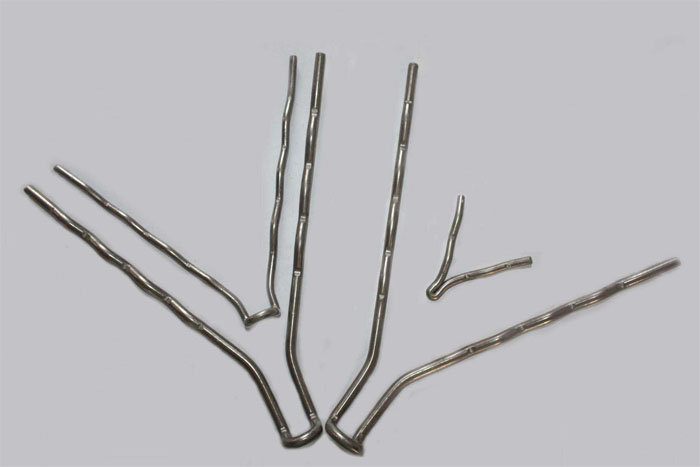
Metal anchor
Other name: Metal refractory anchor
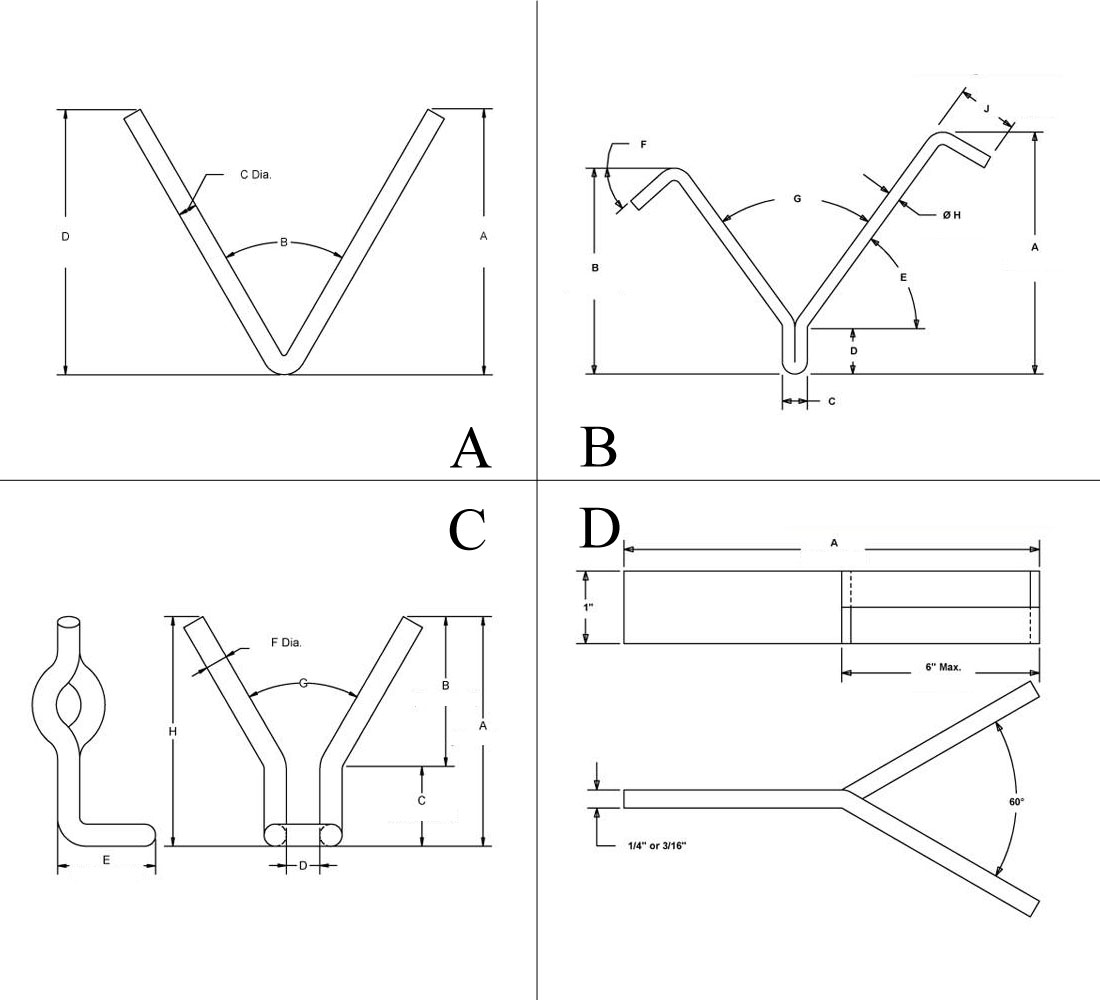
Model Number: Y type, V type, T type, S type, tortoise shell net
Certification: ISO 9001-14001
Minimum Order Quantity: 5MT
Refractory Anchor
Refractory anchor means a member used to join an monolithic refractories lining, a refractory preform, a refractory fiber mat to a furnace shell or furnace steel structure. The role of anchor is to fix the connected lining in a position to resist static load, thermal stress, mechanical rotation or vibration. The anchor helps to prevent the collapse of the material before the formation of the ceramic during construction and heating, and also helps to make the material shrink evenly and avoid large and concentrated cracks in the lining.
The anchors are made of metal and ceramic.
Metal anchor
Material:
Mild steel, heat resistant alloy steel and nichrome
Shape:
Y type, V type, T type, S type, tortoise shell net

Application:
Metal anchors are used to support thinner refractory castables, refractory plastics and refractory spray coating lining. Such as chimney lining, the wear-resistant lining of the petrochemical catalytic cracking reactor (tortoise shell net anchor), the lining of metallurgical integral spray gun, the monolithic lining of DH and RH vacuum degasser , the lining of rotary kiln inlet and outlet.Which shape of metal anchor to be used base on the lining structure.
Most metal anchors are used to fix the lining with a long-term service temperature below 1200 °C, or intermittent service temperature above 1200 °C. Sometimes metal anchors need to be coated with paint, especially at the end. Its purpose is to adjust the difference in expansion between the refractory lining and metal anchors, thereby reducing cracking and flaking. The coating can be asphalt, paraffin or plastic, and the metal anchor can also be wrapped in plastic film or kraft paper. These coatings or layers of paper decompose and melt at high temperatures or burn off leaving voids in the expansion to avoid cracking and flaking.
Metal anchor service temperture
| Mild steel | 450 ℃ |
| Silicon steel | 650 ℃ |
| Ferrochrome(Cr<15%) | 850 ℃ |
| Ferrochrome(Cr≥15%) | 950 ℃ |
| 320 stainless steel | 900 ℃ |
| 309 stainless steel | 1050 ℃ |
| 310 stainless steel | 1100 ℃ |
| Inconel | 1200 ℃ |